


 Weather
 Entertainment
Blog
5 Reasons Healthy Diet Affordability in India Is Only for the Rich

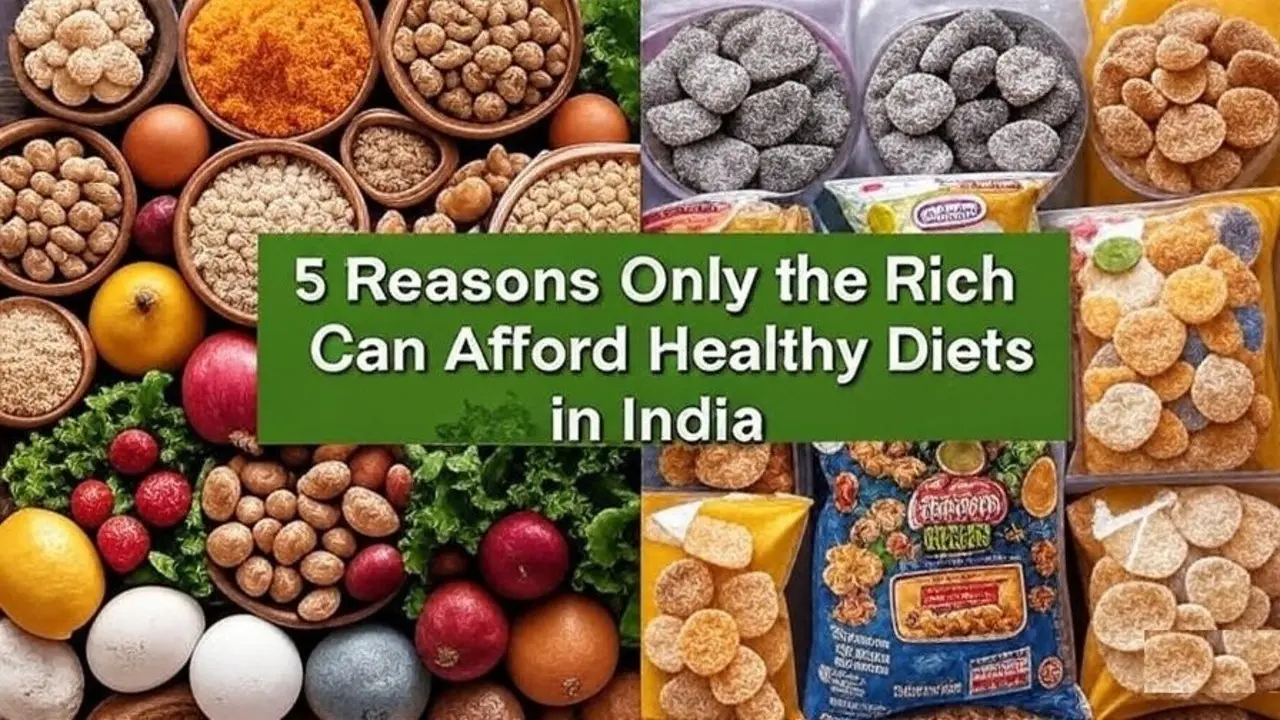
Healthy diet affordability in India remains a privilege for the wealthy. Explore food costs, income disparities, and tips for affordable nutrition.
Eating nutritious food in India is no longer just a matter of choice—it has become a matter of wealth. The rising cost of fresh fruits, vegetables, whole grains, and protein-rich foods has made healthy diet affordability in India a major concern. Only wealthier households can consistently afford balanced meals, while lower-income families rely on cheaper, calorie-dense foods.
Challenges of Healthy Diet Affordability in India
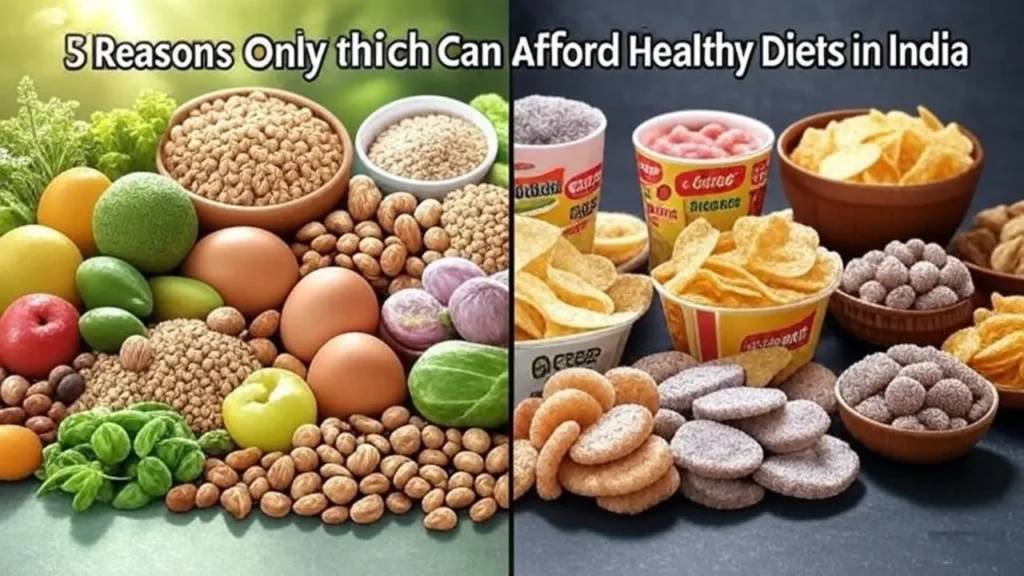
The primary challenge behind healthy diet affordability India is the high cost of nutritious foods. Fresh fruits like berries and imported vegetables, lean meats, eggs, and nuts are expensive for most families. Meanwhile, staples like rice, wheat, and potatoes are affordable but do not provide sufficient nutrition.
Income disparities make it evident that only the wealthy can maintain a proper diet. Low-income households struggle to meet daily nutritional requirements, highlighting the gap in healthy diet affordability in India.
Income Disparities and Their Impact on Nutrition
Income directly affects healthy diet affordability in India. Wealthier households allocate part of their budget to high-quality protein, dairy, and fresh produce. In contrast, low-income families prioritize cheaper, filling staples that lack essential nutrients.
This economic divide contributes to malnutrition, obesity, and lifestyle diseases in both urban and rural areas. Experts warn that addressing healthy diet affordability in India is critical for public health.
Urbanization and Its Effect on Diet
Urban lifestyles have worsened the issue of healthy diet affordability in India. Fast food and processed meals are cheaper, convenient, and widely available. Although nutrition awareness has improved, many urban workers cannot afford balanced diets due to high prices and limited time.
As a result, many rely on energy-dense but nutrient-poor foods, highlighting the social and economic factors affecting healthy diet affordability in India.
Impact on Children and Families
Children are particularly affected by poor healthy diet affordability in India. Families often choose inexpensive carbohydrates over fruits, vegetables, and proteins. This lack of nutrients can stunt growth, weaken immunity, and cause long-term health problems.
Government programs like school midday meals attempt to mitigate this issue, but they cannot replace a fully balanced diet. Affordable nutrition remains out of reach for most families.
Government Efforts to Improve Healthy Diet Affordability in India
To tackle healthy diet affordability in India, the government has implemented schemes such as the Public Distribution System (PDS), which provides staples at subsidized rates. However, these programs do not fully cover fruits, vegetables, or protein-rich foods.
Experts suggest additional policies:
- Price regulation of essential healthy foods
- Incentives for farmers to grow nutritious crops
- Urban food policies to improve access to fresh produce
- Nutrition education campaigns to teach affordable ways to eat healthily
Affordable Ways to Maintain a Healthy Diet
Despite high costs, families can improve healthy diet affordability in India by choosing local, seasonal fruits and vegetables, legumes, lentils, and eggs. Planning meals, reducing processed foods, and buying in bulk are practical strategies to maintain balanced diets on a budget.
Education is also key. Families need to understand how to maximize nutrition without overspending, making healthy diet affordability in India achievable even for lower-income households.
Bridging the Nutrition Gap
The reality is clear: healthy diet affordability in India remains a privilege for the wealthy. Rising food costs, urbanization, and income inequality prevent millions from eating balanced diets. Government intervention, public awareness, and careful planning can improve accessibility, helping more families achieve proper nutrition.
Addressing healthy diet affordability in India is not just a financial issue—it is a matter of public health and the future of the nation.
-
 Trending
- Daily Horoscope Today: Zodiac Predictions for All Signs

- Stock Market Christmas 2025 Holiday: NSE BSE Closed

- 7 Daily Habits That Can Help You Live Beyond 90

- Astrospeak Today Horoscope: 12 Powerful Zodiac Predictions

- Vikrant Massey Best Actor Award – 5 Stunning Highlights from the 71st National Film Awards

- 5 Shocking Facts About Suryakumar Yadav’s ICC Fine Explained

- Mumbai Rain Alert: IMD Issues Orange Warning