


 Weather
 Entertainment
Blog
Parliament Passes Major Sports Reform – ‘National Sports Governance Bill’

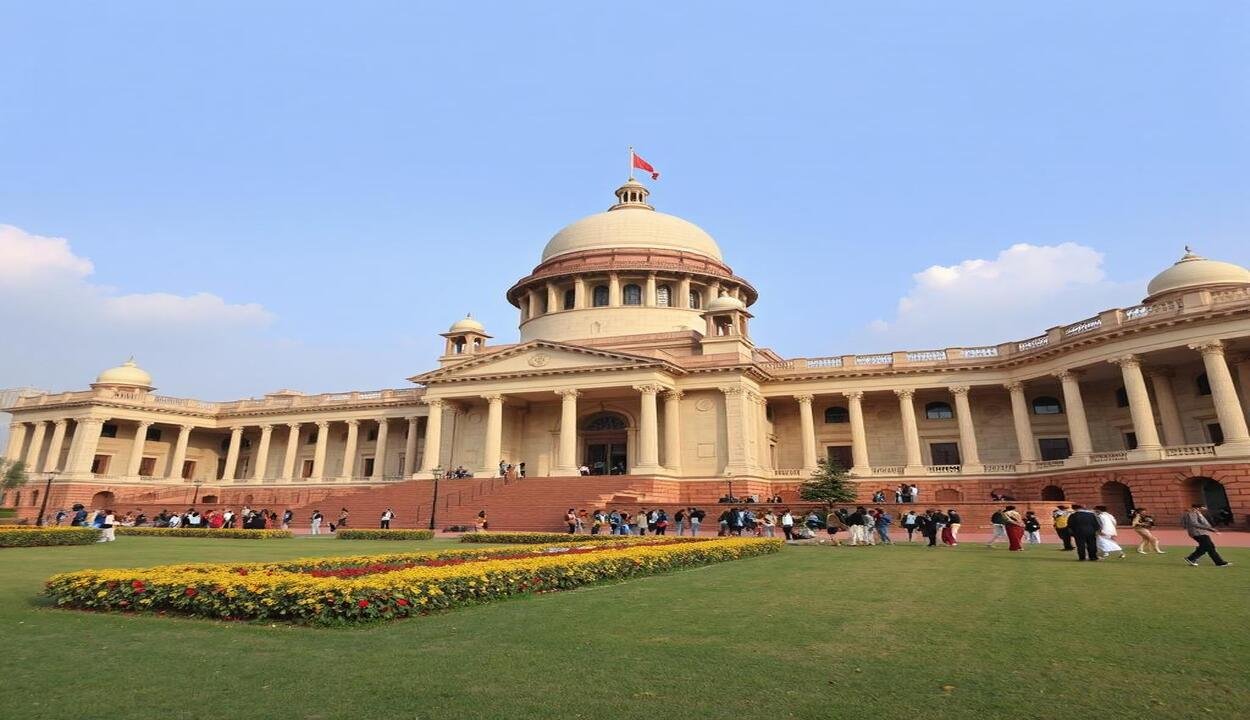
In a historic step towards transforming Indian sports administration, the Lok Sabha has passed the National Sports Governance Bill 2025, along with the National Anti-Doping (Amendment) Bill 2025. This move has been hailed as one of the most significant sports reforms in India since independence, aiming to bring greater transparency, accountability, and professionalism to sports governance.
A Landmark Reform in Sports Governance
Union Minister for Youth Affairs and Sports, Mansukh Mandaviya, described the bill as a “game-changing initiative” that will modernize how sports federations and organizations are run. According to the minister, the legislation is designed to ensure fair selection processes, transparent fund allocation, and better athlete welfare. By eliminating bureaucratic bottlenecks, the government hopes to create an environment that nurtures talent and strengthens India’s position on the global sports stage.
Key Features of the Bill
The National Sports Governance Bill introduces several important provisions:
- Transparent Leadership Elections: Sports federations must conduct democratic elections with clearly defined term limits for office-bearers.
- Athlete Representation: Mandatory inclusion of athlete representatives in decision-making bodies.
- Financial Transparency: Federations are required to publicly disclose their budgets, expenditures, and sponsorship deals.
- Accountability Mechanisms: Regular audits and compliance checks to prevent corruption and misuse of funds.
- Performance-Based Funding: Government grants will now be linked to the performance and governance quality of sports bodies.
Integration with Anti-Doping Measures
Alongside the governance bill, the National Anti-Doping (Amendment) Bill 2025 was also passed. This aims to strengthen India’s fight against doping in sports by tightening penalties for violations, improving testing procedures, and aligning India’s anti-doping rules with global standards. This dual reform ensures that both the administrative and ethical aspects of sports are addressed simultaneously.
Expected Impact on Indian Sports
The reforms are expected to have a wide-reaching impact:
- Improved International Standing: With more professional management, India will be in a stronger position to bid for major events like the Olympics and the Asian Games.
- Better Athlete Support: Enhanced funding transparency will ensure that resources directly benefit athletes, particularly those from grassroots levels.
- Public Trust Restoration: Strict governance norms will help restore confidence among fans, sponsors, and stakeholders.
Political and Public Reactions
While the bill received widespread support in Parliament, some opposition members raised concerns about the government’s increased oversight of sports bodies. They cautioned that excessive central control could undermine the autonomy of federations. However, the government assured that the intent is not to control, but to regulate and support the sporting ecosystem.
Public response to the bill has been largely positive. Athletes, sports experts, and industry stakeholders have welcomed the move, seeing it as a step toward ending decades of mismanagement in certain sports organizations.
A Step Towards a Sporting Future
With the passing of the National Sports Governance Bill, India has taken a decisive step toward building a more transparent, ethical, and performance-oriented sports culture. If implemented effectively, this legislation could pave the way for a new era in Indian sports—one that not only produces champions but also inspires trust and pride among citizens.
-
 Trending
- Daily Horoscope Today: Zodiac Predictions for All Signs

- Stock Market Christmas 2025 Holiday: NSE BSE Closed

- 7 Daily Habits That Can Help You Live Beyond 90

- Astrospeak Today Horoscope: 12 Powerful Zodiac Predictions

- Vikrant Massey Best Actor Award – 5 Stunning Highlights from the 71st National Film Awards

- 5 Shocking Facts About Suryakumar Yadav’s ICC Fine Explained
- Mumbai Rain Alert: IMD Issues Orange Warning