

 Weather
 Entertainment
Blog
Top 5 Powerful Reasons Markets Hit Records : Oracle’s AI Boom

10 September 2025
Record-Breaking Rally on Wall Street
U.S. stock markets delivered a historic performance on Tuesday, with the S&P 500 and Nasdaq Composite closing at fresh all-time highs. The surge came as traders cheered cooler inflation data and a blockbuster forecast from Oracle, one of the world’s leading technology companies.
The rally was broad but especially strong in technology, AI, and cloud-related stocks, signaling renewed confidence in growth sectors even as the Federal Reserve navigates its delicate balancing act between inflation control and economic support.
Inflation Data Strengthens Fed Rate-Cut Expectations
The day began with a surprise: producer price index (PPI) data for August showed a sharper-than-expected decline, suggesting supply-chain pressures and input costs are easing. Lower wholesale prices are often seen as a harbinger of softer consumer inflation, which could give the Federal Reserve room to ease monetary policy.
Market participants now widely expect a 25-basis-point interest-rate cut at the Fed’s next meeting. Some analysts even argue that a 50-basis-point cut could be on the table if upcoming consumer price index (CPI) and jobs data confirm the cooling trend. Lower rates would reduce borrowing costs, support business investment, and potentially sustain economic growth.
Oracle’s AI-Driven Surge Powers Tech Sector
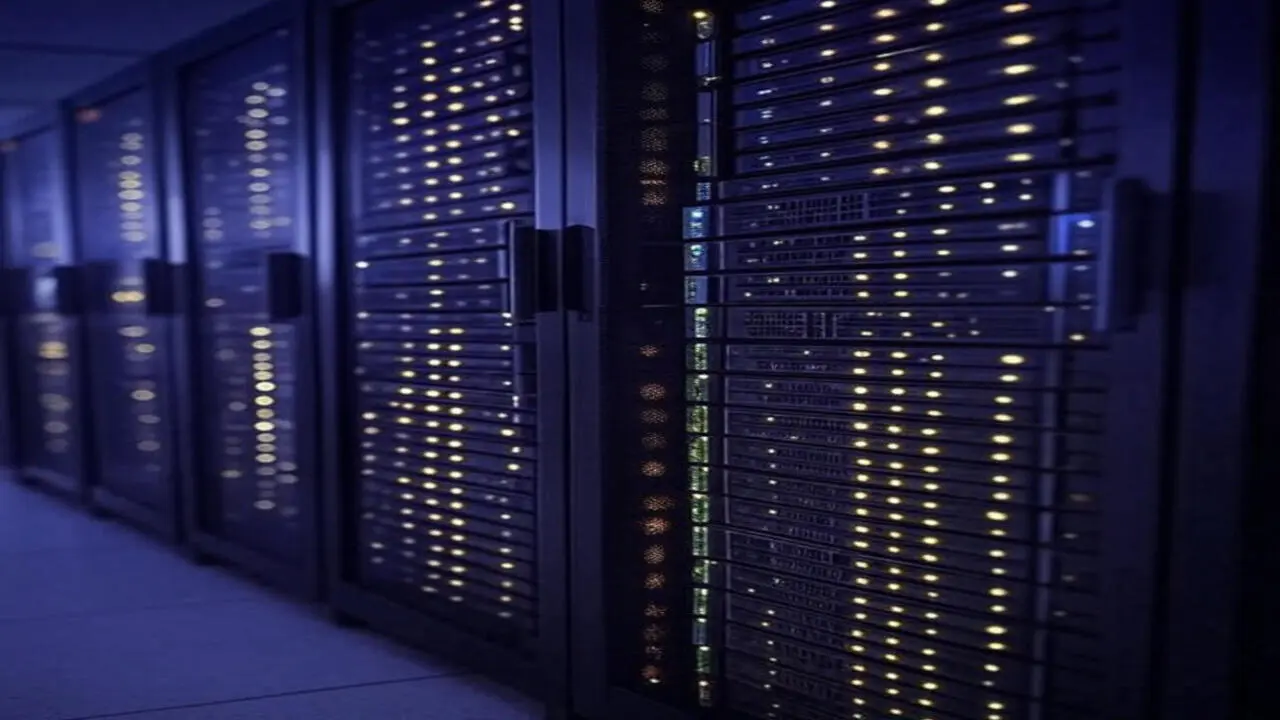
While inflation data set the tone, Oracle stole the spotlight. The company reported explosive demand for its Oracle Cloud Infrastructure (OCI) platform, fueled by artificial intelligence firms seeking computing power.
The result was a 35%+ single-day jump in Oracle’s stock price—its biggest rally since 1992. Investors interpreted Oracle’s outlook as proof that the AI revolution is reshaping enterprise IT spending.
This enthusiasm spilled over to other technology players:
- Nvidia, AMD, and Broadcom all gained, thanks to their exposure to AI chips.
- Data-center power suppliers like Constellation Energy and Vistra also climbed, reflecting expectations of rising energy demand from AI data centers.
- Cloud and software companies with ties to AI adoption saw renewed buying interest.
Index Performance Breakdown
- S&P 500: Gained 0.3%, closing at a record level.
- Nasdaq Composite: Reached an all-time high, powered by technology and semiconductor stocks.
- Dow Jones Industrial Average: Edged slightly lower as some defensive and industrial names lagged behind the tech-led surge.
This divergence highlights a familiar market theme: growth-oriented technology shares are driving broader gains, while traditional sectors remain more cautious.
What’s Next for Investors
The focus now shifts to CPI data due later this week. If consumer inflation confirms the cooling trend, it could reinforce the case for multiple rate cuts before year-end. Market watchers are also monitoring Federal Reserve speeches and September’s employment report, both of which could influence the pace of monetary easing.
Traders are positioning for continued volatility. While many see room for further upside, some strategists warn against excessive optimism, noting that markets are already pricing in aggressive policy moves by the Fed.
Risks That Could Upset the Rally
Even with Tuesday’s optimism, risks remain:
- Rebounding Inflation: If consumer prices accelerate unexpectedly, the Fed could delay or scale back rate cuts.
- Tech Valuation Pressures: The speed of gains in AI-linked stocks could lead to overvaluation concerns.
- Geopolitical and Global Economic Uncertainty: Any shock—such as trade tensions or energy disruptions—could undermine confidence.
Long-Term Takeaways for Investors
The day’s action underscores the transformative power of artificial intelligence across industries. Oracle’s performance proves that companies enabling AI infrastructure are increasingly critical to the digital economy.
For long-term investors, AI, cloud computing, and semiconductor sectors remain areas of significant growth potential. However, diversification is essential. Pairing growth assets with defensive holdings can help balance risk if the Fed’s path diverges from market expectations.
-
 Trending
- Daily Horoscope Today: Zodiac Predictions for All Signs

- Stock Market Christmas 2025 Holiday: NSE BSE Closed
- 7 Daily Habits That Can Help You Live Beyond 90

- Astrospeak Today Horoscope: 12 Powerful Zodiac Predictions

- Vikrant Massey Best Actor Award – 5 Stunning Highlights from the 71st National Film Awards

- 5 Shocking Facts About Suryakumar Yadav’s ICC Fine Explained

- Mumbai Rain Alert: IMD Issues Orange Warning