

 Weather
 Entertainment
Blog
Textile Stocks Surge 7% on Trump Trade Optimism

September 11, 2025:
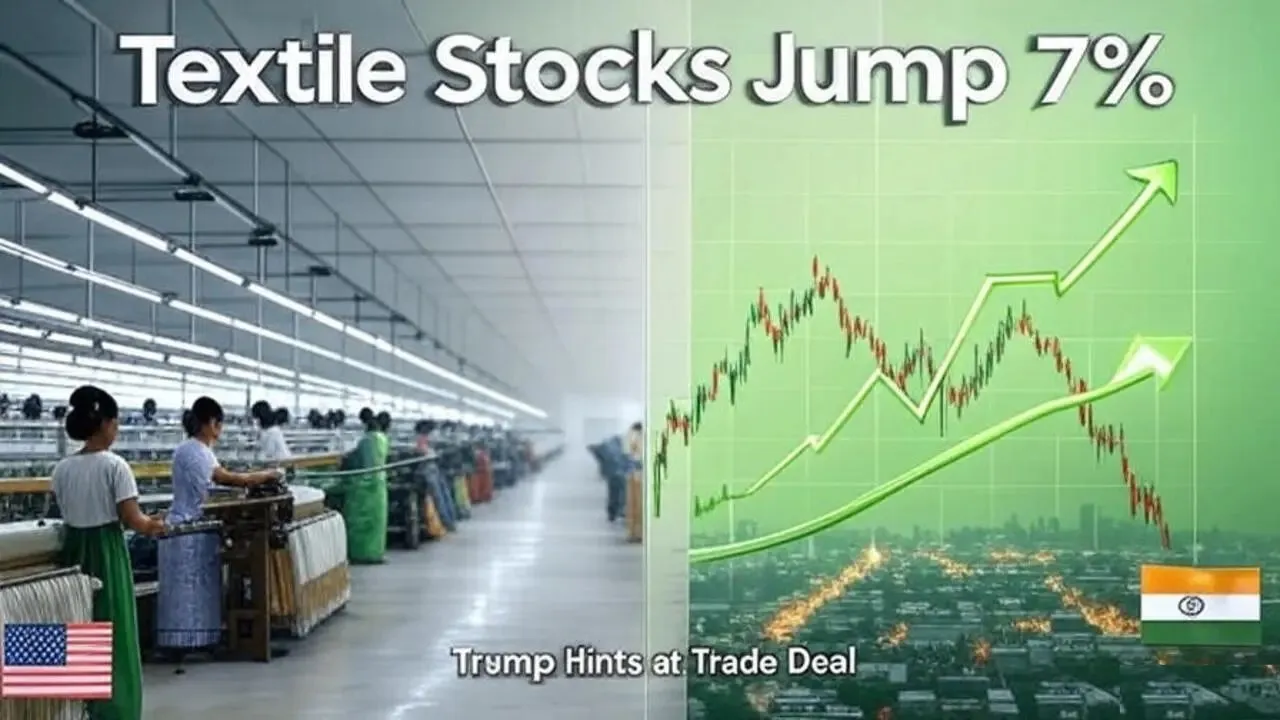
Indian textile stocks saw a sharp rally on Wednesday, with shares of Gokaldas Exports, KPR Mill, and Welspun Living rising up to 7%. Investor sentiment was lifted by renewed optimism over the ongoing US-India trade negotiations.
The surge reflects hope that the 50% tariff imposed by the U.S. on Indian textile exports could be reduced or rolled back, benefiting companies with significant exposure to the American market.
Trump Signals Progress in Trade Talks
U.S. President Donald Trump took to Truth Social to confirm that trade discussions with India are “progressing well” and nearing completion. His comments provided a major boost to Indian exporters, who have been under pressure due to high tariffs.
Prime Minister Narendra Modi also highlighted the strategic potential of India-U.S. trade relations. He stated that these negotiations could unlock “limitless opportunities” for Indian exporters, giving investors a reason to rally behind textile stocks.
The combined statements from both leaders created a wave of optimism in the market, particularly among companies heavily dependent on U.S. orders.
Stock Market Reactions
The rally was broad-based across the textile sector. Major movements included:
- Gokaldas Exports: Up 7% to ₹820
- Welspun Living: Up 7% to ₹127
- Pearl Global: Rose 7% to ₹1,365
- Kitex Garments: Reached the 5% upper circuit limit at ₹195.63
- KPR Mill: Gained 3% to ₹1,029
- Raymond Lifestyle: Climbed to ₹1,338
- Trident: Advanced 6% to ₹30
These gains are significant as the textile sector had faced pressure in recent months due to tariff-related restrictions on Indian exports.
Why Investors Are Optimistic
Indian textile companies, especially those with substantial U.S. market exposure, stand to benefit if tariffs are rolled back. For example, Kitex Garments earns nearly 70% of its revenue from U.S. exports.
The potential easing of trade barriers could improve profit margins, encourage higher production, and boost investor confidence. Analysts predict that other mid-sized exporters could also benefit, especially those with strong relationships with American buyers.
Moreover, India’s textile sector is one of the largest employers in the country. Any improvement in export potential could have a positive ripple effect on jobs and domestic economic growth.
Historical Tariff Impact
The 50% U.S. tariff, imposed earlier this year, significantly affected textile exporters. Companies saw increased costs, delayed shipments, and lower demand. Many firms had to rethink pricing strategies and supply chains to remain competitive.
Despite these challenges, Indian textile companies remained resilient. Several exporters diversified into European markets and explored alternative revenue streams. The current optimism around trade talks marks a potential turning point for the sector.
Sector Outlook
If the US-India trade deal materializes, experts believe Indian textile companies could experience a sustained upswing in stock prices. Beyond immediate gains, a positive trade agreement may attract new investments and encourage modernization of textile manufacturing in India.
Market observers also note that other sectors closely tied to textiles, such as apparel, home textiles, and fabric manufacturing, may see increased investor interest.
Investors are advised to monitor official announcements from both governments closely, as any updates on tariffs or trade agreements could further influence stock movements.
Takeaway
Indian textile stocks surged up to 7% as trade optimism fueled investor sentiment. Gokaldas Exports, KPR Mill, and Kitex Garments led the rally. If negotiations continue positively, the textile sector could see more sustained growth, making these stocks attractive in the short to medium term.
Disclaimer: The content provided on this website/blog is for informational and educational purposes only. It should not be considered financial, investment, or trading advice. Stock market investments carry risks; therefore, please consult your financial advisor before making any decisions. The publisher does not take responsibility for any loss or damage arising from the use of this information.
-
 Trending
- Daily Horoscope Today: Zodiac Predictions for All Signs

- Stock Market Christmas 2025 Holiday: NSE BSE Closed

- 7 Daily Habits That Can Help You Live Beyond 90

- Astrospeak Today Horoscope: 12 Powerful Zodiac Predictions

- Vikrant Massey Best Actor Award – 5 Stunning Highlights from the 71st National Film Awards

- 5 Shocking Facts About Suryakumar Yadav’s ICC Fine Explained

- Mumbai Rain Alert: IMD Issues Orange Warning