


 Weather
 Entertainment
Blog
Heatstroke Deaths in India 2025: How to Stay Safe This Summer

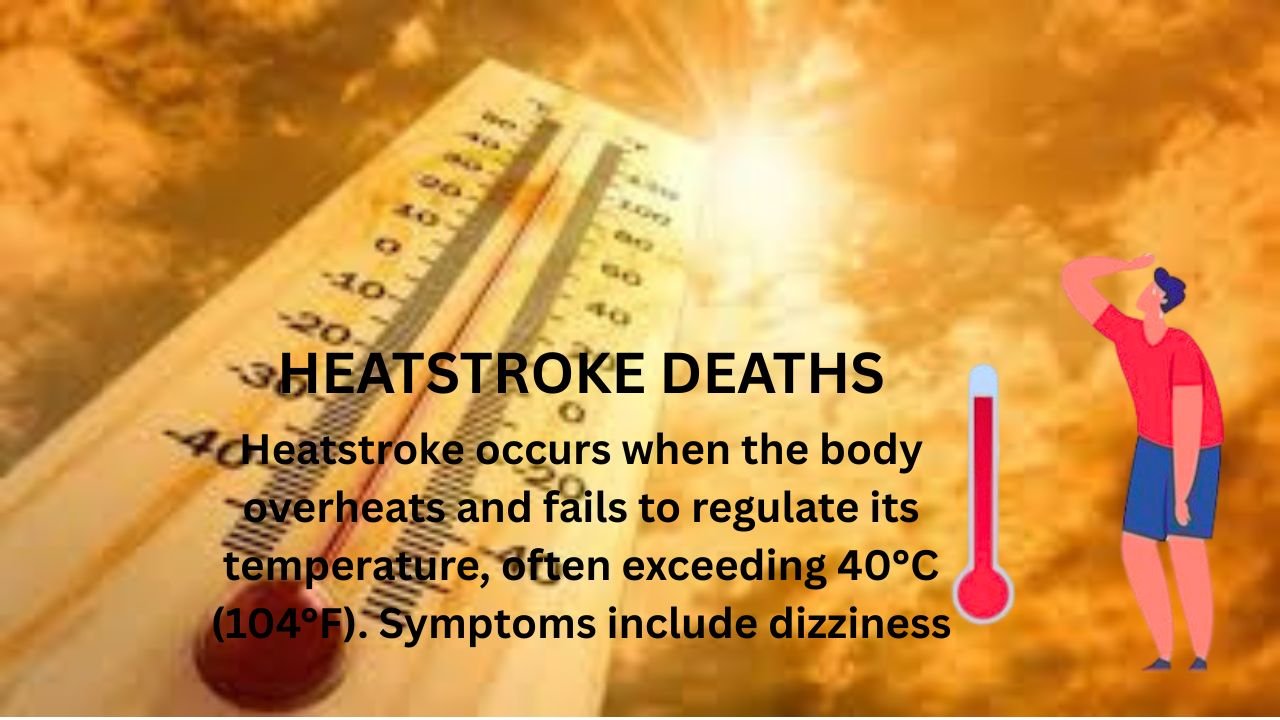
The summer of 2025 has been unusually harsh in India, with at least 84 heatstroke deaths reported across the country. Rising temperatures, combined with prolonged heatwaves, have turned heat-related illnesses into a serious public health concern. Experts warn that without proper precautions, these numbers could rise further in the coming years.
Understanding Heatstroke
Heatstroke occurs when the body overheats and fails to regulate its temperature, often exceeding 40°C (104°F). Symptoms include dizziness, headache, nausea, rapid heartbeat, confusion, and in severe cases, unconsciousness or death. Vulnerable populations, including the elderly, children, and outdoor workers, are most at risk.
Who Is Most at Risk?
- Elderly People: Reduced ability to regulate body temperature makes seniors more susceptible.
- Children: Their smaller body mass and slower heat regulation increase risk.
- Outdoor Workers: Laborers, farmers, and construction workers exposed to the sun for long periods are particularly vulnerable.
- People with Chronic Illnesses: Heart disease, diabetes, or respiratory conditions can worsen heat-related complications.
Preventive Measures to Avoid Heatstroke
Experts recommend the following practical steps to protect yourself and your family:
- Stay Hydrated: Drink plenty of water throughout the day. Avoid alcohol and caffeinated drinks that can cause dehydration.
- Limit Sun Exposure: Stay indoors during peak hours (11 am – 4 pm) and seek shade when outside.
- Wear Light Clothing: Loose, light-colored fabrics help air circulation and keep your body cool.
- Use Cooling Methods: Fans, air conditioning, wet towels, or cool showers can help maintain body temperature.
- Monitor Vulnerable Individuals: Keep an eye on children, the elderly, and those with chronic illnesses for early signs of heatstroke.
Community and Government Initiatives
Authorities have started public awareness campaigns, alerting citizens about heatwave risks and preventive measures. Cooling centers, public advisories, and emergency medical support are gradually being implemented in high-risk areas. However, experts urge proactive personal precautions as climate change increases the frequency of extreme heat events.
Conclusion
The 2025 heatstroke deaths in India highlight the urgent need for awareness, preventive actions, and community-level preparedness. By staying hydrated, avoiding peak heat hours, wearing appropriate clothing, and monitoring at-risk individuals, families can minimize the risk of heatstroke. Remember, prevention is far better than cure, especially during increasingly extreme summers.
-
 Trending
- Daily Horoscope Today: Zodiac Predictions for All Signs

- Stock Market Christmas 2025 Holiday: NSE BSE Closed

- 7 Daily Habits That Can Help You Live Beyond 90

- Astrospeak Today Horoscope: 12 Powerful Zodiac Predictions

- Vikrant Massey Best Actor Award – 5 Stunning Highlights from the 71st National Film Awards

- 5 Shocking Facts About Suryakumar Yadav’s ICC Fine Explained

- Mumbai Rain Alert: IMD Issues Orange Warning