

 Weather
 Entertainment
Blog
British Horse Racing Strike 2025: Shocking Halt Over Tax Hike

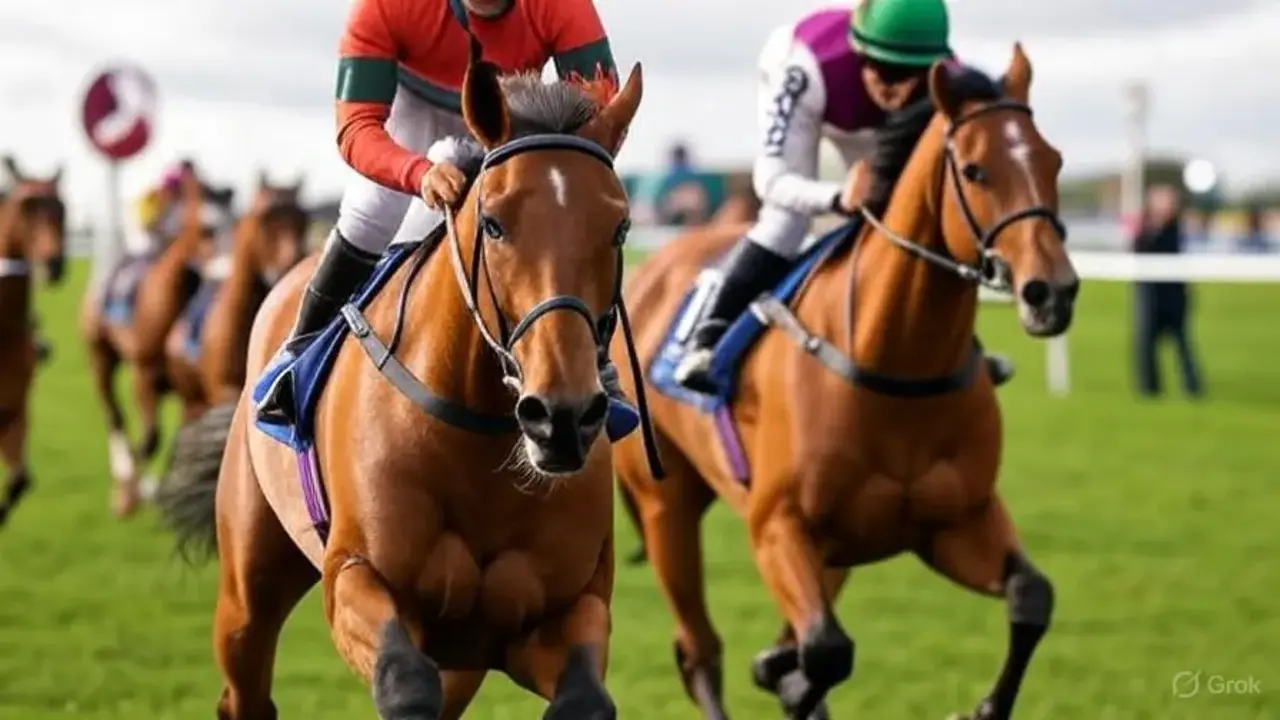
Historic Strike Brings British Horse Racing to a Screeching Halt!
Table of Contents
- Why the Strike Happened
- What Sparked the Protest
- Impact on the Racing Industry
- Key Figures Speak Out
- What’s at Stake for Racing
- The Road Ahead
The British Horse Racing Strike 2025 has made history! On September 10, 2025, all horse racing in Britain stopped for the first time ever. Jockeys, trainers, and racecourses united in a bold protest against proposed betting tax hikes. This unprecedented move shocked fans. It’s the first voluntary halt in modern racing history. The sport is fighting to protect its future.
Why the Strike Happened
The British Horse Racing Strike 2025 took place on September 10. Four scheduled races at Carlisle, Uttoxeter, Lingfield, and Kempton were canceled. They’ll be rescheduled later. The strike was a response to government tax plans. Racecourses, owners, trainers, and jockeys refused to race. They gathered in Westminster to make their voices heard. The British Horseracing Authority (BHA) led the charge. The protest targeted the Treasury’s proposed changes to betting duties. It’s a fight for the sport’s survival.
What Sparked the Protest
The government wants to unify online betting taxes. Currently, horse racing bets face a 15% duty, while online casinos pay 21%. The plan could raise racing’s tax to match, hitting the industry hard. The BHA warns this could cost racing £330 million over five years. It might also lead to 2,752 job losses in the first year. Bookmakers may pass costs to bettors, hurting the sport. The industry launched the “Axe the Racing Tax” campaign. It aims to convince the government to rethink. The strike was a dramatic show of unity.
Impact on the Racing Industry
The British Horse Racing Strike 2025 cost the industry £700,000 in one day. This includes £500,000 in lost broadcasting rights. Another £200,000 came from levy returns. Racing supports 85,000 jobs and adds £4.1 billion to the UK economy. The tax hike threatens racecourses, trainers, and stable staff. Smaller prize pots and fewer meetings could follow. The sport paused for only the second time ever. Past halts were due to weather, equine diseases, or crises like Covid-19. This voluntary stoppage is a first.
Key Figures Speak Out
BHA’s acting chief executive, Brant Dunshea, called the strike historic. “British racing is in a precarious financial position,” he said. He urged the government to protect the sport’s future. Jockey Club CEO Jim Mullen echoed the concern. “This tax will harm a sport where Britain leads globally,” he warned. He hopes the government listens.
Arena Racing Company’s Martin Cruddace called the tax plan “existential.” Trainers John Gosden and Sir Mark Prescott backed the strike. They stressed racing’s role in communities.
What’s at Stake for Racing
The British Horse Racing Strike 2025 highlights the sport’s vulnerability. Betting funds racing through a levy, expected to hit £108 million in 2025. Tax hikes could slash this funding. Bookmakers might raise prices or cut bonuses to offset taxes. This could mean less money for races and jobs. Rural and urban communities could suffer. The industry says racing is unique. Unlike online casinos, it supports jobs and culture. The strike sent a clear message to Westminster.
The Road Ahead
The British Horse Racing Strike 2025 has sparked debate. The Treasury insists no final decisions are made. They’re consulting on simplifying betting taxes, not raising rates. Racing leaders want special treatment for the sport. They’ll keep pushing the “Axe the Racing Tax” campaign. The Autumn Budget on November 26, 2025, will be crucial. Fans hope racing resumes soon. The sport’s future hangs in the balance. This strike could shape its path for years.
-
 Trending
- Daily Horoscope Today: Zodiac Predictions for All Signs
- Stock Market Christmas 2025 Holiday: NSE BSE Closed
- 7 Daily Habits That Can Help You Live Beyond 90

- Astrospeak Today Horoscope: 12 Powerful Zodiac Predictions
- Vikrant Massey Best Actor Award – 5 Stunning Highlights from the 71st National Film Awards

- 5 Shocking Facts About Suryakumar Yadav’s ICC Fine Explained
- Mumbai Rain Alert: IMD Issues Orange Warning