

 Weather
 Entertainment
Blog
Hidden Realities of Mumbai Monsoon 2025

Introduction
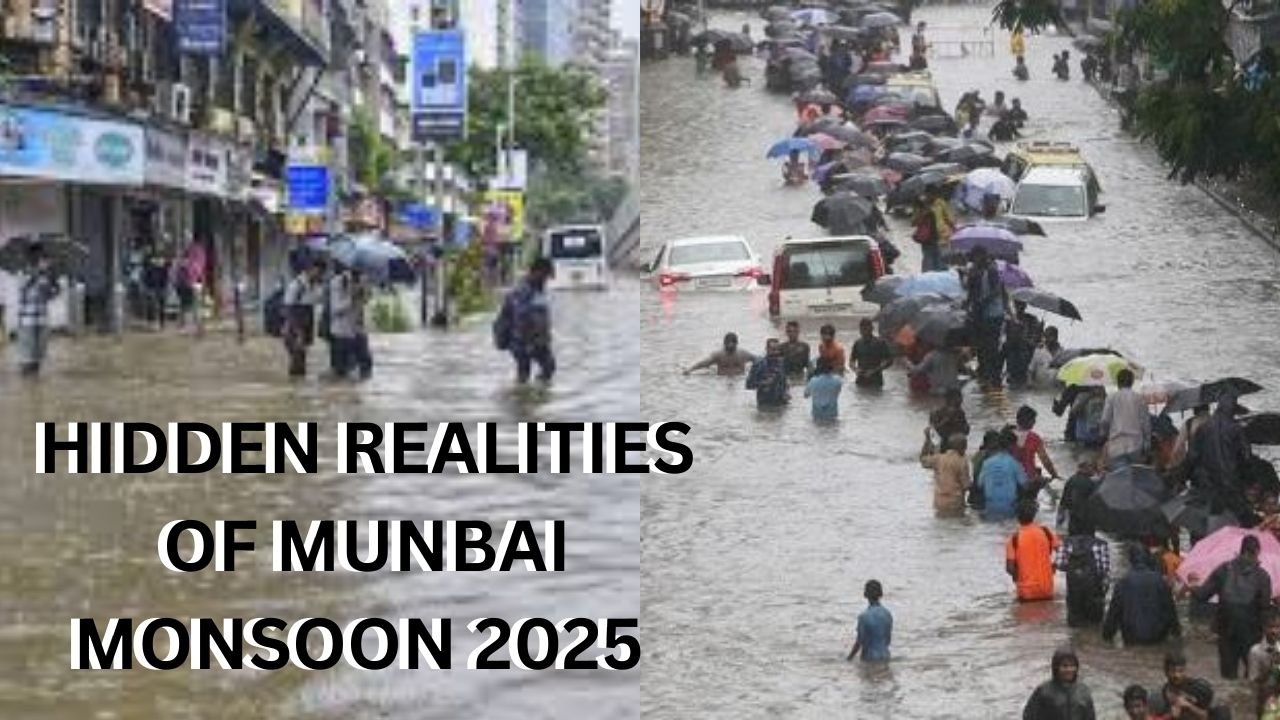
Every year, the Mumbai monsoon makes headlines for heavy rains, flooding, and traffic jams. But beyond these common stories lie overlooked aspects that affect daily life, health, and the city’s future. Let’s explore some hidden realities of the recent Mumbai monsoon that deserve attention.
1. Impact on Mental Health
While the focus is usually on waterlogging and damage, the prolonged rains, traffic delays, and constant stress have also been affecting the mental health of citizens. Working professionals face burnout due to travel hassles, while children experience irregular school routines.
2. Hidden Water Contamination Risks
Flooded streets don’t just cause inconvenience — they often mix with sewage and industrial waste, leading to contamination. This has silently increased cases of waterborne diseases such as leptospirosis, gastroenteritis, and dengue.
3. Housing Crisis in Slum Areas
Thousands of Mumbai residents live in low-lying slum pockets. This year, many such areas witnessed repeated flooding, forcing families to live in temporary shelters. The struggle of these communities often goes unnoticed in mainstream coverage.
4. Strain on Local Economy
Daily wage workers, street vendors, and small businesses are among the worst-hit. Continuous rains reduce footfall, disrupt supplies, and create financial losses. Unlike big corporates, these small workers have no “work-from-home” option.
5. Infrastructure Stress
While flyovers, metros, and roads are highlighted in government reports, the underground drainage system remains outdated. Mumbai’s 100-year-old drainage network has been unable to handle the rising rainfall intensity. This overlooked issue requires urgent upgrades.
6. Environmental Angle
The excessive rains have also exposed the poor state of mangrove protection. Illegal constructions near coastal zones have worsened flooding. Ignoring nature’s barriers has made Mumbai more vulnerable.
Conclusion
The Mumbai monsoon is more than just a weather story — it’s about health, livelihood, environment, and urban planning. By addressing these overlooked aspects, Mumbai can prepare better for the future instead of repeating the same cycle of chaos every year.
-
 Trending
- Daily Horoscope Today: Zodiac Predictions for All Signs

- Stock Market Christmas 2025 Holiday: NSE BSE Closed
- 7 Daily Habits That Can Help You Live Beyond 90

- Astrospeak Today Horoscope: 12 Powerful Zodiac Predictions

- Vikrant Massey Best Actor Award – 5 Stunning Highlights from the 71st National Film Awards

- 5 Shocking Facts About Suryakumar Yadav’s ICC Fine Explained

- Mumbai Rain Alert: IMD Issues Orange Warning